
The Talmud brings a great story: there were uneducated thugs in Rabbi Meir’s neighborhood harassing him and giving everyone trouble. He prays that they would die. His wife, hearing this, quotes Psalm 104:35 to him: “Let sins cease from the earth”. She points out that King David did not write sinners, but sins, and argues that if these sinners die, won’t there be other sinners? Rather, it is appropriate to pray for the removal of sins, not that these men die. So Rabbi Meir instead prays that their sins stop and that they receive divine compassion. The men change for the better.
This is a lesson in perspective: When a man feels he is bad, that he is a sinner, that people hate him or look down at him, then he cannot change. If a man realizes that he is inherently good but has made mistakes or done bad things, he can change. After all, he is still good and worthy, he just has things to fix, like everyone does.

We are all created with an urge to sin. This is by design. Our sages teach us that we have this challenge in order to overcome temptation and reach our great potential. The point is not that we make a mistake and then self identify as a “sinner”. A famous Chassidic master, the Baal Shem Tov, explained: “more than the evil inclination wants men to sin, it wants men to feel guilty and sad after their sins”.
Feeling shame and guilt is incredibly emasculating. It removes our energy and leads to anxiety, fear of making more mistakes, and depression. Don’t shame yourself, fix yourself and improve. Likewise, if a person is using shaming tactics on you, don’t go on their guilt trip. Shame and guilt are powerful but blunt tools.
The person wielding them likely never learned to use positive and specific interpersonal tools to get their needs met. Likely family of original issues. When the only tool she has is this hammer, you look like a nail to her. The woman who is quick to place shame and guilt is one to avoid, as she has revealed her own lack of emotional development.
Later on today’s page of learning we have a related concept. The prophet Yeshaya and King Hizkiya were not on speaking terms. God makes the king sick so Yeshaya has reason to visit him (we have a commandment to care for the sick). God could have simply ordered Yeshaya to go to the king, but then Yeshaya would have felt he had been wrong to avoid the king. This is a lesson in sensitivity. When you bring people together to make a compromise don’t make someone feel thy were wrong.
Yeshaya tells King Hizkiya, who appears terminally ill, that he is fated to die as divine punishment. King Hizkiya has an amazing response: “Get out and stop prophesizing. I have a tradition from my great grandfather (King David) that even when a sharp sword is pressed on your neck you never give up on divine mercy.”
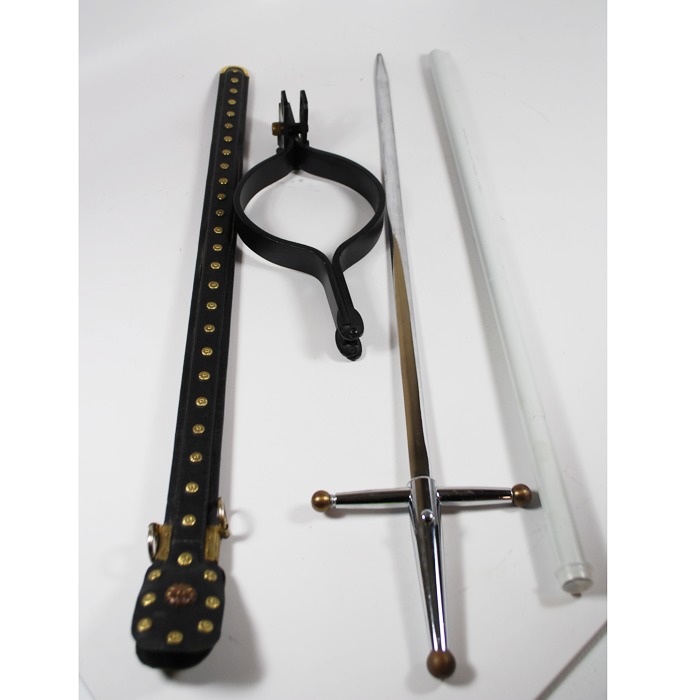
Then Hizkiya prays for mercy and takes steps to fix his error.
King Hizkiya did not accept the message that he was too far gone for life. Gentlemen, you are never too far gone as long you realize that you are a worthy man, created in the Divine image, and capable of amazing things. You will make mistake on your path through life, but that doesn’t make you a sinner. You need to learn from errors, not sink into guilt and shame over them. Never give up. Grow. Become. Live.

 Red Pill Rabbi
2 thoughts on “Daily dose of Wisdom Brakhot 10. All the sinners saints”